The useful part first
Key takeaways
- Sewer rodding is best for common obstructions in the main line, especially when multiple drains are affected.
- If wastewater is coming back up, stop using water until the line is checked.
- A clear cleanout or an accessible entry point can make the visit more straightforward, but it is not something to open under pressure.
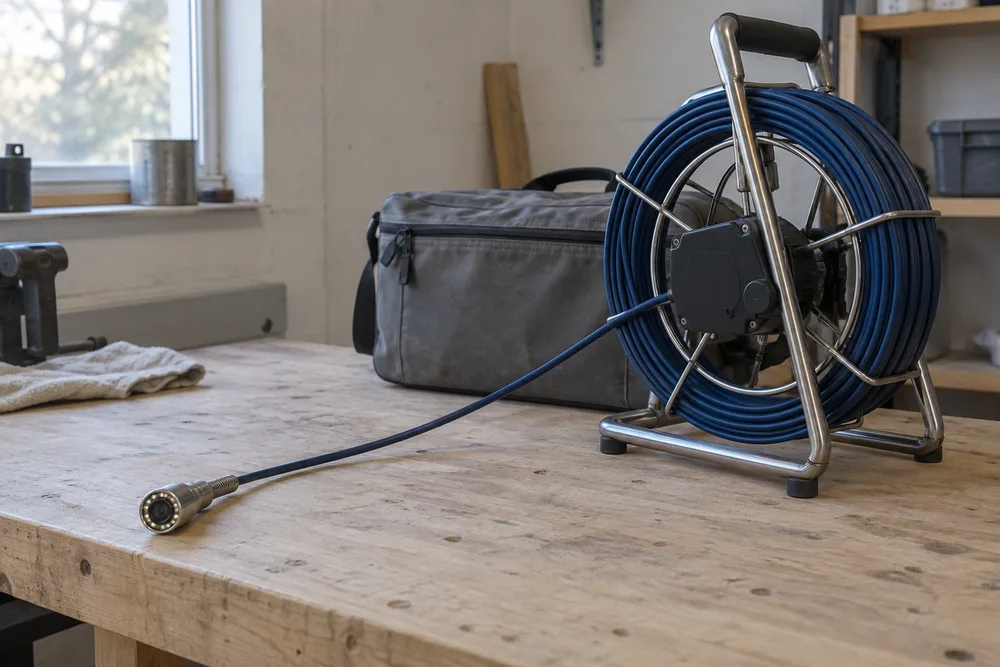
- If the blockage returns after clearing, a camera inspection may help show whether roots, buildup, or pipe damage are part of the problem.
A backed-up main line is not the kind of problem to guess at for long. If wastewater is backing up, pause water use and do not run fixtures to recreate the problem. Sewer rodding is often the first practical step when a sewer line is slow, blocked, or gurgling across more than one fixture.
In River Forest, public sewer infrastructure is maintained by the Village, while a clog in the building sewer on private property is a separate issue. That distinction matters because the service call, the scope, and the next step can change depending on where the blockage sits and what symptoms you are seeing.
Plumbers 911, operated by Plumbers Local 130, refers participating contractors who price and perform the work. If rodding is the likely next step, the referral can move toward a contractor who handles the actual clearing and decides whether inspection, jetting, or another approach makes more sense once the line is opened.
What sewer rodding does, and when it makes sense
Sewer rodding uses a flexible cable with a cutting or clearing head to break through a blockage and restore flow in the sewer line. It is commonly used when a main line is slow, fully blocked, or backing up into a low fixture such as a basement floor drain, tub, or toilet.
Rodding is a clearing method, not a repair. It can open a clogged line, but it does not fix every cause of recurring trouble. If the line is full of roots, heavy scale, or a damaged section, the first clearing may help you get symptoms under control while the contractor figures out what comes next.
For a River Forest homeowner, that usually starts with a conversation about what is happening, which fixtures are involved, and whether the problem seems isolated to one drain or shared by the whole house. Those details help separate a simple fixture clog from a main sewer issue.
- Useful for many soft blockages, paper buildup, and some root intrusions
- Best when the problem appears in more than one drain or in a low outlet
- May be followed by inspection if the line keeps clogging
- Not a guarantee against a repeat backup if the underlying cause remains
Signs the main line may be involved
A single slow sink can stay a fixture problem. A backup in several places, gurgling in lower drains, or wastewater coming up when a toilet is flushed points more toward the main sewer. The pattern matters more than one noisy drain. If you are not sure, a contractor can talk through the sequence of symptoms before dispatching the right equipment.
How a planned visit usually starts
A routine sewer rodding visit usually begins with a short symptom review and a look at the available access point. The contractor wants to know what backed up first, whether the problem affects one fixture or several, and whether any recent work, rain, or repeated clogs changed the pattern.
Access matters because it changes the work. If there is a usable cleanout, the contractor may be able to work from there. If there is no easy access, the conversation may turn to the best way to reach the line without causing unnecessary disturbance. The homeowner does not need to force a hatch or remove a fitting to speed things up.
For example, suppose a basement floor drain overflowed after a toilet flush and the kitchen sink started gurgling soon after. That kind of pattern would make a main-line blockage more likely than a simple sink clog. A contractor might plan rodding first, then discuss inspection if the line clears but the symptoms keep returning.
- Describe which fixtures are affected and in what order
- Mention any recent clogs, odors, gurgling, or overflow
- Point out any visible cleanout or accessible sewer entry
- Share whether the issue is steady, intermittent, or triggered by use
How urgency changes the plan
If wastewater is actively backing up, the visit shifts from scheduled clearing to urgent response. Stop running fixtures, avoid laundry, and keep water use to a minimum. That helps prevent more overflow while the line is being evaluated. The contractor may still use rodding, but the visit is organized around active conditions instead of a convenience window.
Water backing up now?
Pause water use and call. Emergency calls are accepted 24/7.
River Forest conditions and public vs. private responsibility
The Village of River Forest maintains public water and sewer infrastructure and also publishes flooding and flood-prevention resources. That is useful background, but it does not tell you whether your blockage is in the public sewer or in the private building sewer serving your home.
Public sewer maintenance and a private line problem are not the same issue. A contractor can help you work through the symptoms and decide whether the problem looks more like a home-side blockage or something that needs a separate public-utility conversation. When the symptoms suggest a broader system issue, nearby utility guidance can be part of the discussion without replacing an on-site assessment.
If you want to compare options before booking, the service overview at emergency sewer help explains urgent intake, while how referrals work explains how an inquiry reaches a participating contractor. Both are useful when you are deciding how fast to move and what kind of visit to request.
- Village resources address public infrastructure and flood-prevention information
- Private building sewer issues are handled separately from public maintenance
- Symptom pattern still drives the first on-site decision
- The next step may be clearing, inspection, or a different method
What the Village resource does and does not tell you
The Village information is helpful when you are trying to understand the difference between a home-side problem and a broader sewer issue. It does not promise that flooding will be prevented in every situation, and it does not replace a contractor’s look at your specific line. Useful public guidance is part of the picture, not the entire answer.
Why rodding is chosen first in some cases
Rodding is often selected because it can be direct, fast to deploy, and effective against many common obstructions. That does not mean it is always the best or only choice. A contractor may suggest hydro jetting if the line has greasy buildup or persistent residue, or a camera inspection if the problem returns and the cause is not obvious.
If the obstruction feels like roots, a contractor may use rodding to open the pipe first and then consider root-focused service or inspection afterward. If the line seems to be holding standing water because of a structural issue, clearing may relieve the symptom without solving the underlying defect. Clearing and diagnosis are related, but they are not the same service.
Homeowners sometimes ask whether a stronger method should be used right away. That depends on the pipe condition, the blockage type, and whether the access point allows the contractor to work safely and effectively. If you want to compare the methods in plain language, rodding versus hydro jetting lays out the differences without turning every clog into the same problem.
- Rodding is often the first mechanical clearing step
- Jetting may suit buildup that a cable does not fully remove
- Camera inspection can help when clogs recur or the line seems damaged
- Root-related problems may need more than one service type
When repeated clogs deserve more evidence
If a line clears and then blocks again soon after normal use, that is a clue worth paying attention to. It can point to residue left behind, roots entering through a defect, or a section of pipe that no clearing method can fully normalize. In that case, inspection before or after cleaning can make the next decision more grounded.
What helps before the contractor arrives
A little preparation can make the visit smoother without turning the job into a DIY project. Clear a path to the area where the cleanout or sewer access might be located, and be ready to describe the symptoms in order. If you know the exact fixture that overflowed first, say so. If not, say what you noticed and when.
Do not try to solve a backed-up main by running more water. That only adds volume to a line that is already struggling. Also avoid opening a pressurized or actively backing-up cleanout. If you are unsure whether an access point is safe to touch, leave it alone and let the contractor handle it.
If the issue is less urgent and you are just trying to understand the service, the sewer rodding guide explains what the method can and cannot do, and sewer cleanout access explains how to identify an existing access point without forcing it.
- Clear the work area around likely access points
- Write down which drains are slow or backing up
- Avoid extra water use if the sewer is already failing
- Leave pressurized or uncertain cleanouts closed
Questions worth asking during intake
Ask what symptoms best fit rodding, whether an inspection is likely after clearing, and whether the contractor will need a cleanout or other access point. Those are practical questions, not sales questions. They help set expectations for the visit and reduce surprises once the line is opened.
Questions homeowners often ask
Sewer issues can look similar from the outside, so a few direct questions help narrow things down before work starts. The goal is not to diagnose the pipe yourself. It is to describe what happened clearly enough that the contractor can bring the right approach and decide whether rodding alone is likely to be enough.
What happens after the line opens?
Once flow returns, the contractor may test the line and decide whether more checking is needed. If the clog was simple, that may be the end of the visit. If the line still shows signs of trouble, inspection or another method may be discussed before the problem returns.
Common clues and what they usually suggest
| What you notice | What it may suggest | What usually comes next |
|---|---|---|
| One sink drains slowly | Fixture-level blockage | Fixture drain cleaning or a small local clear |
| Several drains act up at once | Shared sewer line issue | Main-line rodding and possible inspection |
| Wastewater backs up from a low drain | Main line or downstream blockage | Stop water use and request urgent service |
| Problem returns after clearing | Residual buildup, roots, or damage | Inspection and a closer look at pipe condition |
Questions homeowners ask
Is sewer rodding the same as snaking?
People often use the terms interchangeably. In practice, both describe mechanical cable clearing, and the useful question is whether that method matches the blockage and pipe condition.
Can rodding fix every sewer backup?
No. It can clear many common obstructions, but heavy scale, repeated root entry, or pipe damage may need inspection or a different clearing method.
Should I keep using water if the sewer is backing up slowly?
No. Pause water use and do not run fixtures to recreate the problem. Extra water can make the backup worse before the line is opened.
Do I need a cleanout for rodding to work?
A cleanout helps, but it is not the only possible access point. The contractor can explain what access is available and what it means for the work.
When would I choose inspection instead of another cleaning?
Inspection becomes more useful when the clog keeps coming back, when symptoms do not match a simple blockage, or when the contractor wants to see whether roots or damage are part of the problem.
Local resources
Use these official resources for municipal or utility information. They are separate from Plumbers 911.